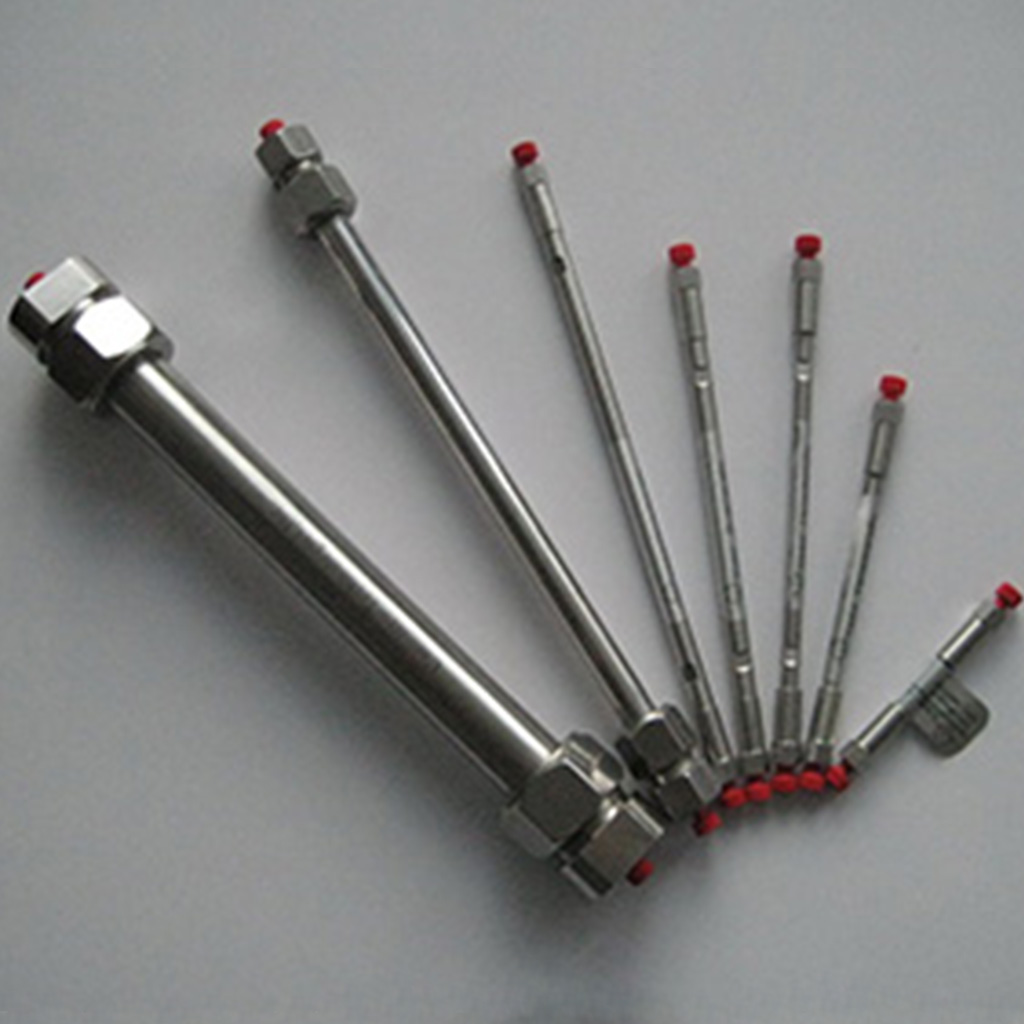
Globalsil C18-BP Column
◆ Stable baseline and high sensitivity in neutral and ion-free environments, ideal for hyphenated techniques such as LC-MS
◆ Excellent performance, particularly suited for aqueous mobile phases with low organic solvent content
◆ Fully end-capped
Get In Touch
1. Specifications
Globalsil C18-BP chromatographic packing material is particularly suitable for aqueous mobile phases containing low organic solvent content. Under such high-aqueous chromatographic conditions, the brush-like C18 chains of conventional stationary phases produced via traditional bonding technologies tend to collapse, resulting in poor peak shapes. In contrast, Globalsil C18-BP maintains excellent peak shape performance in such mobile phases. This advantage significantly enhances column selectivity in aqueous mobile phases, which is fully demonstrated when analyzing hydrophilic and polar compounds.
Globalsil C18-BP stationary phase is fully end-capped and exhibits selectivity comparable to conventional C18 stationary phases when separating hydrophobic compounds in reversed-phase mode.
Globalsil C18-BP stationary phase features a stable baseline and high sensitivity in neutral and ion-free environments, making it highly suitable for hyphenated techniques such as LC-MS.
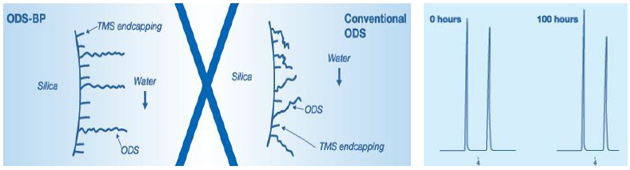
No functional group collapse occurs even when using a 100% pure water as the mobile phase. When pyrimidine and phenol were used as analytes, nearly no change in selectivity and resolution was observed after 100 hours of continuous pure-water flashing, with RSD values of 0.1% and 0.3%, respectively.
Various specifications available for selection:
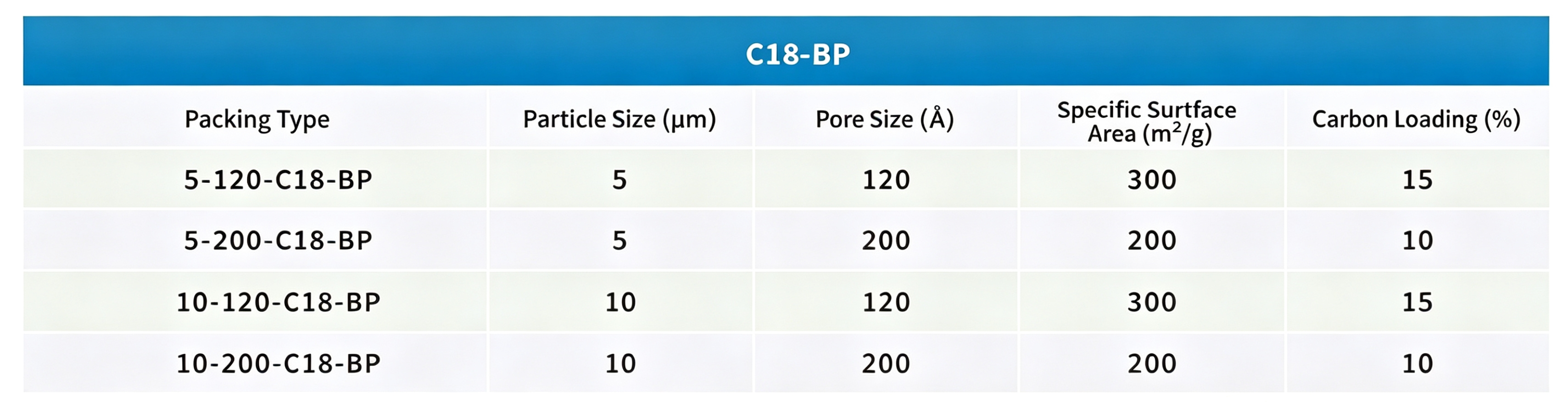
Note: Other particles sizes of 3, 10, 15, 20, 50 μm are available. Please contact us for ordering!
2. Applications
Typical applications include the separation of biomolecules and metabolites, such as oligosaccharides, amino acids, small peptides, nucleotides, and organic acids.
Morinda officinalis - Nystose
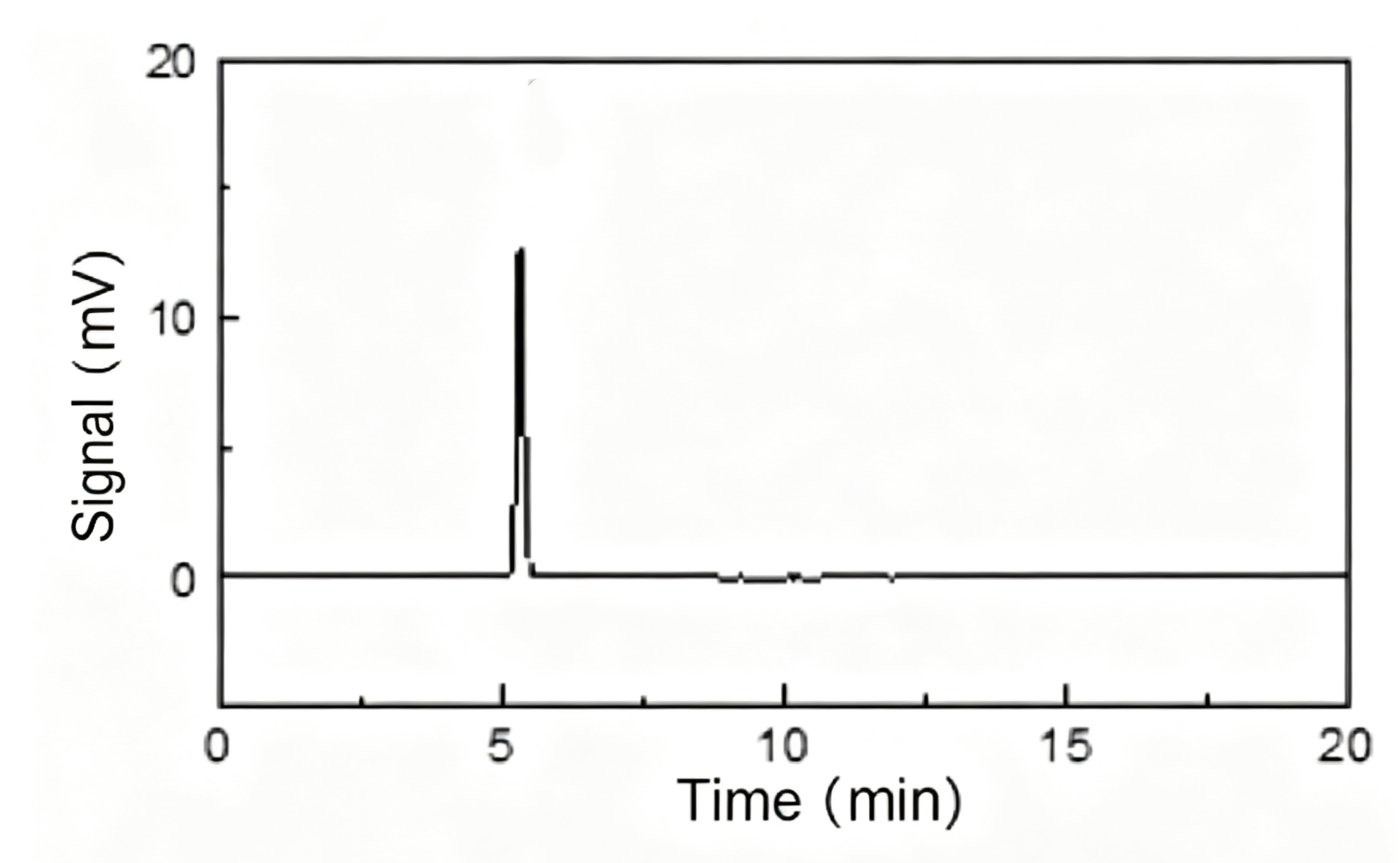
Column: Globalsil 120-5-C18-BP, 250 mm × 4.6 mm, 5 μm
Mobile Phase: Methanol:Water = 65:35
Flow Rate: 1.0 mL/min
ELSD Parameters: Drift tube temperature: 75 ℃; Carrier gas flow rate: 2.5 L/min
Mixed Vitamins
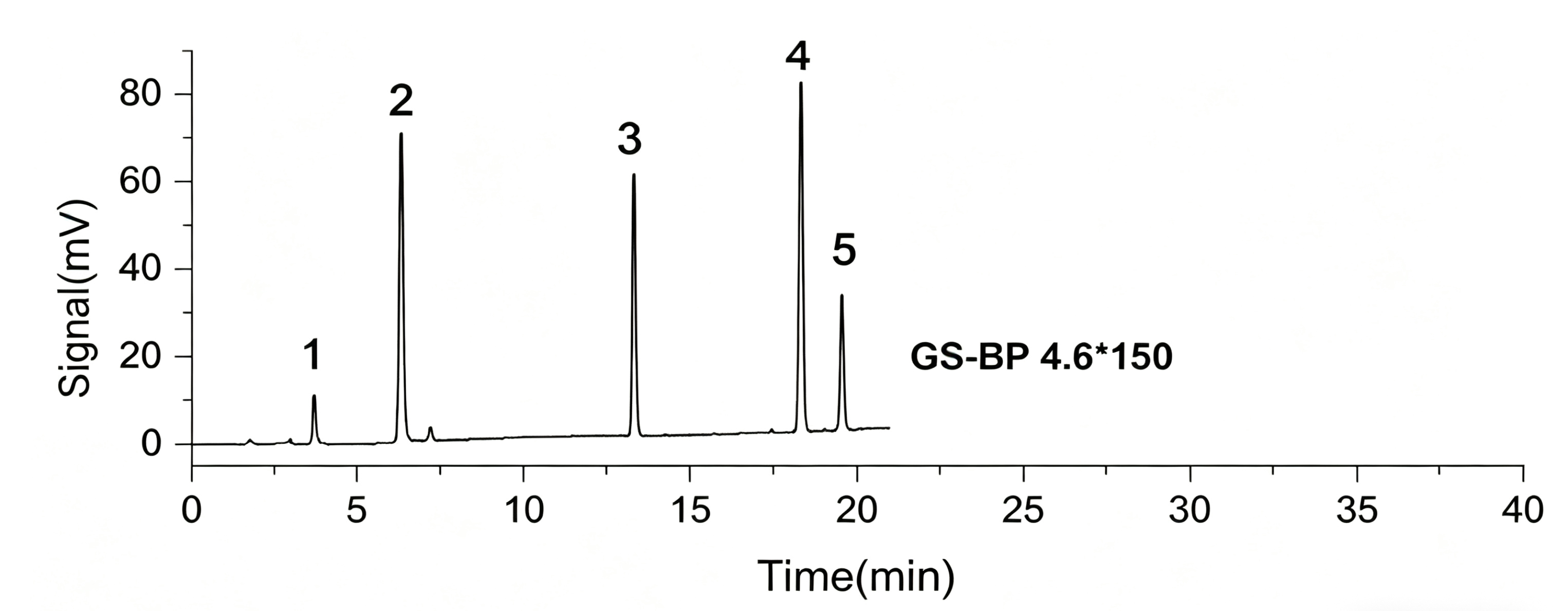
Column: Globalsil 120-5-C18-BP, 150 mm × 4.6 mm, 5 μm
Mobile Phase: A: 20 mM ammonium dihydrogen phosphate aqueous solution; B: Acetonitrile; Gradient elution
Flow Rate: 1.0 mL/min; Column Temperature: 35°C
Detection Wavelength: 280 nm
Other details:
- Transportation:By air if not specified.